
7 Powerful Ways to Fight Food Insecurity in Your Community
Table of Contents

How to Help Fight Food Insecurity
Food insecurity affects millions of individuals and families across the United States. When people do not have reliable access to enough affordable and nutritious food, it can impact their health, education, and overall well-being. Many households face difficult choices between paying for groceries, housing, healthcare, and other essential needs.
While the issue of hunger is complex, communities can play a powerful role in creating solutions. Local organizations, volunteers, and community leaders often work together to provide food assistance, connect families with resources, and expand outreach programs that support those in need.
There are many meaningful ways people can help fight food insecurity and support individuals who may be struggling to access healthy meals. Actions such as volunteering with local organizations, donating to hunger relief programs, organizing food drives, and raising awareness about available resources can make a lasting difference in communities.
When people work together to fight food insecurity, they help build stronger support networks and ensure that more families have access to the food and resources they need to thrive.
Volunteer With Local Organizations
One of the most impactful ways to help fight food insecurity is by volunteering with organizations that support hunger relief.
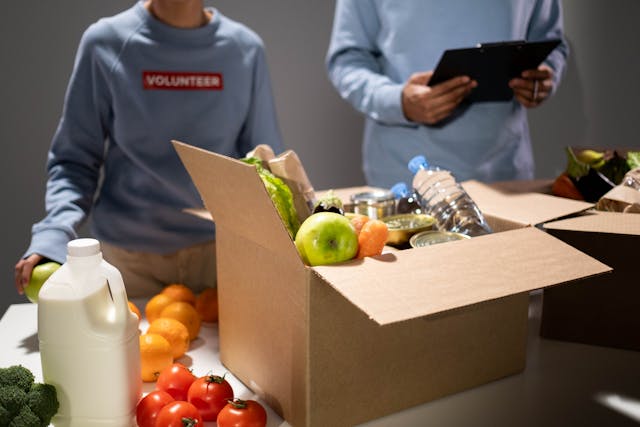
Volunteers may help by:
- distributing food
- organizing food drives
- packing pantry boxes
- helping connect families to local resources
Community volunteers play an essential role in keeping food assistance programs running.
Donate to Hunger Relief Programs
Financial donations help organizations purchase food, provide outreach services, and fight food insecurity in communities across the country.
Even small donations can help provide meals, support food programs, and expand community outreach efforts.
Many nonprofit organizations rely on community donations to continue their mission of helping people in need.
Organize a Food Drive
Spread Awareness
Support Community Programs
Food drives are a simple and effective way to help fight food insecurity.
Schools, churches, workplaces, and neighborhoods can organize food drives that collect non-perishable food items for local food banks and community programs.
Common food drive items include:
• canned vegetables
• canned proteins
• pasta and rice
• peanut butter
• shelf-stable milk
- Many people do not realize how common food insecurity is within their own communities.
- Sharing information about hunger, community programs, and available resources helps connect people to the support they need.
- Education and awareness help communities take action together.
- Local nonprofit organizations work to provide food assistance, support services, and resource connections.
- Supporting these programs through volunteering, donations, and partnerships helps strengthen communities and expand access to essential resources.
- Organizations like HEART (Hope Empowers All Reaching Together) are dedicated to helping communities address food insecurity through outreach and support initiatives.
Why Fighting Food Insecurity Matters
Food insecurity affects millions of individuals and families every year, and its impact extends beyond hunger alone. When people struggle to access reliable food sources, it can affect their health, education, and overall well-being.
Children experiencing food insecurity may have difficulty concentrating in school or maintaining consistent academic performance. Adults facing food insecurity may experience increased stress while trying to balance household expenses such as housing, healthcare, and groceries.
Communities that work together to address food insecurity help create stronger and healthier environments for everyone. When individuals volunteer, donate, and raise awareness, they help expand food assistance programs and connect families with the resources they need.
By taking small steps to support hunger relief efforts, individuals can help ensure that fewer families face uncertainty about their next meal.
Working Together to Fight Food Insecurity
Addressing hunger requires communities, organizations, and individuals to work together toward shared solutions. When people collaborate to fight food insecurity, they help ensure that families have access to the food and support they need during challenging times.
Local volunteers, nonprofit organizations, and community leaders often work side by side to expand food assistance programs, organize food drives, and connect families with available resources. These partnerships help strengthen communities and create more reliable support networks.
Anyone can play a role in helping to fight food insecurity. Whether someone chooses to volunteer, donate food, support hunger relief programs, or raise awareness about available resources, each action contributes to a larger effort to reduce hunger and expand food access.
By working together to fight food insecurity, communities can build stronger systems that support families today while creating long-term solutions for the future.
How HEART Helps Fight Food Insecurity
Hope Empowers All Reaching Together (HEART) is a nonprofit organization dedicated to helping communities address food insecurity through outreach, education, and resource connections. By working with volunteers, local partners, and community programs, HEART helps connect families with food assistance and support services when they need it most.
Through initiatives such as pantry box distribution, community partnerships, and volunteer outreach, HEART works to fight food insecurity while promoting long-term solutions that strengthen local communities.
Community involvement plays an important role in these efforts. Volunteers, donors, and local organizations help expand outreach programs and ensure that more families have access to reliable food resources.
By supporting organizations like HEART, individuals can help fight food insecurity while building stronger and more supportive communities.

Why Community Action Matters
Fighting hunger requires more than a single solution. Long-term progress happens when individuals, organizations, and communities work together to expand access to food resources and support systems.
Local volunteers, nonprofit organizations, food banks, and community leaders all play important roles in helping fight food insecurity. By supporting outreach programs, organizing food drives, and donating resources, communities can strengthen the networks that help families access reliable meals.
Community action also helps raise awareness about the challenges many households face. When people understand the impact of hunger in their own neighborhoods, they are more likely to support initiatives that provide food assistance and connect families with helpful programs.
Even small actions — volunteering time, donating food, or sharing information about available resources — can help fight food insecurity and make a meaningful difference for families in need.
Learn more about what food insecurity is and why it affects millions of families across the United States.